Tree Removal services by qualified staff for safe removal of trees of any size.
Tree Pruning services to enhance tree health, aesthetics, and property safety.
Tree Lopping, Cutting, and Removal for large or hazardous branches and trees.
Palm Tree Removal including stumps, fronds, leaves, seeds, and fruit.
Hedge Pruning for neat, attractive, and safe hedge growth.
Land Clearing for residential, commercial, and agricultural areas, including large-scale projects.
Block and Land Clearing for property preparation, construction, or landscaping.
Stump Grinding with modern machinery to remove all traces of tree stumps.
Commitment to protecting property and surrounding areas during tree services.
Trusted location at Unit 9/169 Beavers Rd, Northcote VIC 3070, serving Melbourne homeowners and businesses.
Use of modern, high-quality equipment and safety gear for all tree care operations.
Comprehensive insurance coverage for all services, ensuring client peace of mind.
Identification of hazards including overgrown branches, storm damage, proximity to cables, and invasive roots.
Professional handling of pest infestations and excessive or misdirected tree growth.
Efficient, experienced, and results-driven service for timely project completion.
Free, obligation-free quotes to help clients make informed decisions.
Personalized consultation and guidance to address tree and garden concerns.
Service coverage across all Melbourne suburbs including North Melbourne, South Melbourne, Port Melbourne, East Melbourne, West Melbourne, Albert Park, Middle Park, St Kilda, Windsor, Prahran, Richmond, Brunswick, Northcote, Fitzroy, Hawthorn, and Sunshine.
Dedicated team focused on maintaining Melbourne’s natural beauty and garden safety.
Expert advice on tree health, maintenance, and property improvement.
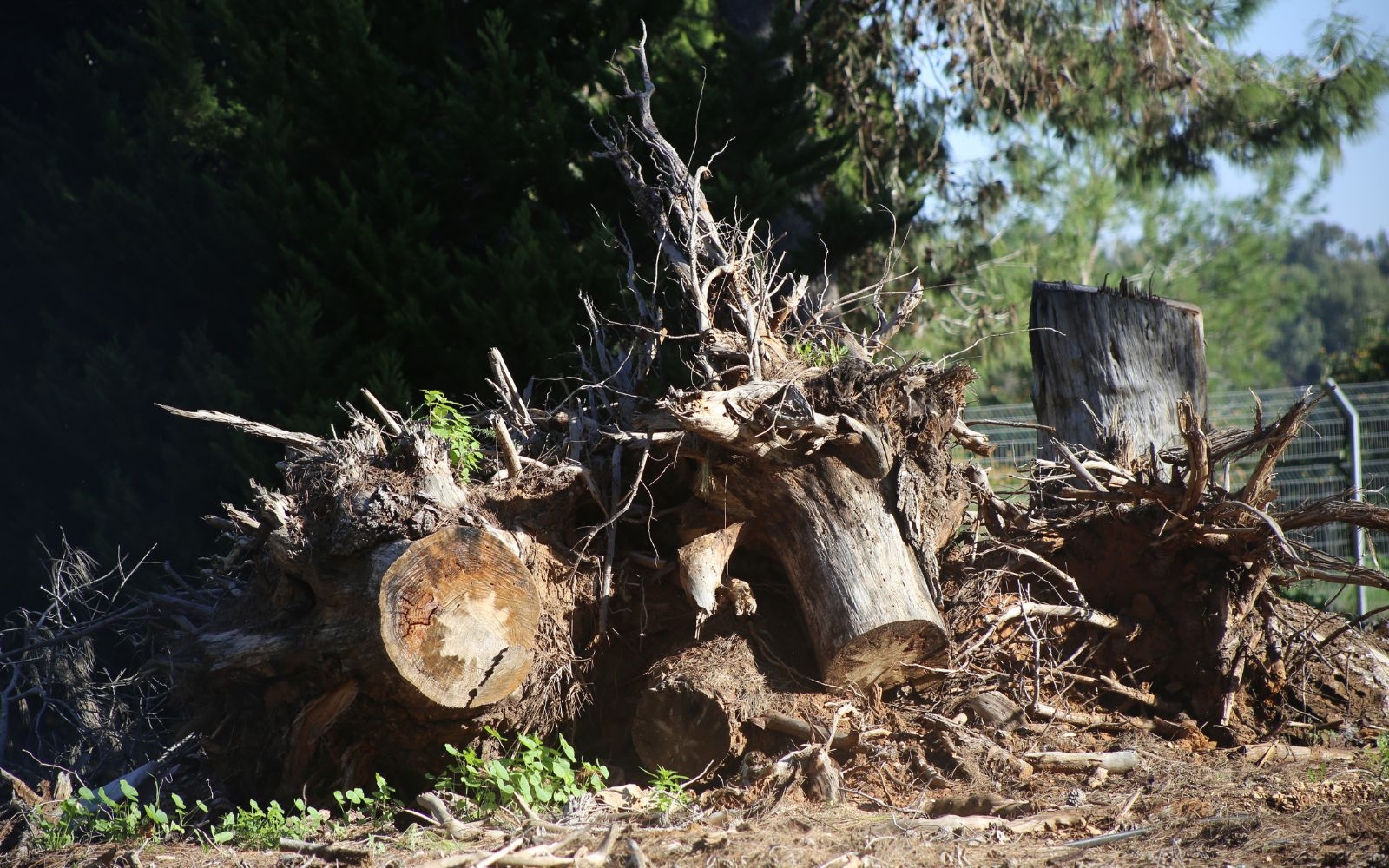
Stump grinding is an essential process in landscaping and forestry, aimed at removing tree stumps from the ground after a tree has been cut down. Stump grinding is another essential service we provide, ensuring that leftover stumps are thoroughly removed to prevent regrowth, pests or safety hazards. Additionally, we specialise in palm tree removal and cleanup, handling fronds, seeds and palm waste with care. Our hedge trimming services keep your garden looking neat, healthy and beautiful year-round. Melbourne Tree Removal Experts Melbourne’s unique landscape makes proper tree care essential. Overgrown or unhealthy trees can create risks such as pest infestations, fire hazards, storm damage or interference with power lines and underground utilities. Melbourne Tree Removal Experts is a trusted provider of professional tree services across Melbourne and surrounding suburbs. With a qualified and experienced team, we specialise in safe, efficient and affordable solutions for all types of tree care needs. Whether you require complete tree removal, detailed pruning, hedge shaping or large-scale land clearing, our experts are equipped with modern machinery and industry-standard safety gear to deliver outstanding results. Melbourne Tree Removal Experts Our comprehensive service range includes tree removal for trees of any size or condition, ensuring the safety of your property and the surrounding environment. We also offer expert tree pruning to improve tree health, encourage strong growth and enhance the overall appearance of your landscape. For properties that require extensive preparation, our land-clearing services cover residential, commercial and agricultural sites. We have the heavy-duty equipment needed for larger projects, from clearing shrubs to removing mature trees.. Signs your trees may need attention include branches touching your home, dead or diseased growth, storm damage, roots encroaching on structures or excessive growth in unwanted directions.. This operation not only enhances the visual appeal of an area but also prevents potential hazards such as tripping and pest infestations. The primary goal is to ensure that the stump is ground down below the soil surface, allowing the land to be repurposed or replanted as needed.
The procedure begins with assessing the stump's size and location to determine the appropriate machinery required. Once the assessment is complete, a stump grinder is brought into action. This powerful machine is equipped with a rotating cutting disc that chips away at the wood, effectively reducing the stump to wood chips and sawdust. The depth to which the stump is ground can vary, but typically, it is ground down to about 6 to 12 inches below the surface, ensuring that the roots are also addressed.
Stump grinding is favored over complete stump removal due to its efficiency and minimal disruption to the surrounding landscape. Unlike stump removal, which involves uprooting the entire stump and root system, grinding is less invasive and quicker. This method also allows for the resulting wood chips to be used as mulch, adding an eco-friendly aspect to the process. Ultimately, stump grinding is a practical solution for landowners looking to clear their terrain of unwanted tree stumps, making way for new landscaping projects or simply maintaining a clean and safe environment.
Stump grinding is a crucial process in landscaping and land clearing, requiring specialized machinery to effectively remove tree stumps. The primary machine used in this process is the stump grinder, which comes in various types and sizes to suit different job requirements.
One of the most common types is the **walk-behind stump grinder**, ideal for small to medium-sized stumps. This machine is compact and easy to maneuver, equipped with a powerful engine and a rotating cutting disc that grinds the stump into wood chips. Its portability makes it suitable for residential areas where space might be limited.
Key Features of Stump Grinders:
For larger stumps or commercial projects, a **tow-behind stump grinder** is often used. These machines are attached to a vehicle and towed to the site. They feature a larger cutting wheel and more powerful engine, allowing them to tackle bigger stumps with ease. Their hydraulic systems provide greater control and efficiency during operation.
In situations where access is challenging, such as in rough terrains or tight spaces, an **articulated stump grinder** might be utilized. These grinders have a flexible body and articulated arm, allowing them to reach stumps in difficult locations. They are often mounted on a vehicle, providing the necessary power and stability for complex jobs.
Another advanced option is the **tracked stump grinder**, designed for maximum traction and stability on uneven grounds. With tracks instead of wheels, these machines can navigate through soft soil, mud, or inclines, making them ideal for forestry or large-scale land clearing projects.
Each type of stump grinder serves a specific purpose, and selecting the right machine depends on the size and location of the stump, as well as the scope of the project. Understanding these options ensures that the stump grinding process is both efficient and effective.
Handheld stump grinders are compact and portable, making them ideal for small-scale tasks and tight spaces. They are typically used for grinding stumps in residential areas where maneuverability is key. These grinders are lightweight, allowing operators to easily transport them from one site to another. Despite their size, they are equipped with powerful engines that can effectively grind small to medium-sized stumps. However, they might not be suitable for larger stumps due to their limited power and reach.
Walk-behind stump grinders are versatile machines that offer more power than handheld models while still being relatively easy to operate. They are designed for both residential and commercial applications, providing efficient stump removal in gardens, parks, and smaller landscapes. These grinders feature adjustable handles and wheels for enhanced control and stability. Their larger cutting wheels and stronger engines allow them to tackle medium-sized stumps with ease. However, they require more physical effort to operate than self-propelled models.
Self-propelled stump grinders are designed for more extensive stump removal tasks, offering a balance between power and ease of use. These machines are equipped with tracks or wheels that allow them to move independently, reducing operator fatigue. They are suitable for larger stumps in both residential and commercial settings, providing efficient grinding without the need for extensive manual labor. The self-propelled feature also ensures smooth navigation across rough or uneven terrains, making them ideal for various landscapes.
Towable stump grinders are heavy-duty machines designed for large-scale operations. They can be hitched to trucks or trailers, allowing them to be transported to different locations with ease. These grinders are equipped with powerful engines and large cutting wheels, capable of efficiently grinding large stumps and roots. They are often used by professional landscapers and tree care companies for extensive clearing projects. While highly effective, their size and power require skilled operators to manage them safely and efficiently.
Track-mounted stump grinders are engineered for optimal performance on challenging terrains. Their tracks provide superior traction and stability, allowing them to operate effectively on slopes, muddy grounds, and uneven surfaces. These grinders are often used in forestry and land-clearing operations where accessibility is limited. With robust engines and large cutting capacities, they are capable of handling the toughest stumps with precision. Their design ensures minimal ground disturbance, making them a preferred choice for environmentally sensitive areas.
Portable stump grinders are crucial tools for both professional landscapers and DIY enthusiasts who need to remove tree stumps efficiently and effortlessly. These compact machines are designed to be easily maneuverable, making them perfect for use in tight spaces or residential areas where larger equipment might not fit. One of the standout features of portable stump grinders is their lightweight design, which allows for easy transportation and handling. Many models come equipped with retractable wheels or tracks, enhancing their mobility and enabling users to navigate uneven terrain with ease.
Portable stump grinders are also versatile in their applications. They can be used on a variety of stump sizes and types, from softwoods to hardwoods, making them a versatile choice for different landscaping projects. Additionally, many models offer adjustable cutting depths, allowing users to customize their approach based on the specific requirements of the task at hand. This adaptability, combined with their ease of use, makes portable stump grinders a popular choice for anyone looking to clear stumps quickly and effectively without the need for heavy-duty machinery.
Key Features of Portable Stump Grinders:
Another significant feature of portable stump grinders is their powerful cutting capabilities. Despite their small size, these machines are equipped with robust engines—typically ranging from 10 to 25 horsepower—that drive a high-speed cutting wheel. This wheel is fitted with sharp teeth made from durable materials like tungsten carbide, ensuring they can efficiently grind through even the toughest stumps. The cutting wheel's design allows it to chip away at the wood, reducing the stump to mulch, which can then be used as ground cover or removed altogether.
Tow-behind stump grinders offer a unique set of advantages that make them a popular choice for both professional landscapers and homeowners tackling large-scale projects. One of the primary benefits is their portability. Designed to be towed by a vehicle, these grinders can be easily transported to various sites, making them ideal for projects that require mobility across extensive properties or multiple locations.
Another significant advantage of tow-behind grinders is their power. Typically equipped with robust engines, they can handle stumps of various sizes and densities, providing efficient grinding that reduces the stump to mulch in a matter of minutes. This power makes them suitable for commercial applications where time and efficiency are critical, such as clearing land for construction or preparing sites for landscaping.
Key Features of Tow-Behind Stump Grinders:
In addition to their power and portability, tow-behind stump grinders often feature adjustable cutting heads and advanced safety mechanisms, which enhance their usability and ensure safe operation. These features allow operators to adjust the machine according to the specific requirements of the task, whether it involves grinding down a small stump in a tight space or tackling a large, stubborn tree base.
Typical applications for tow-behind grinders include large-scale landscaping projects, land clearing for agriculture or development, and municipal work such as park maintenance or roadside clearing. Their ability to efficiently process a high volume of stumps makes them a favored choice for contractors and professionals who need to maintain productivity while managing costs. For those looking to invest in a versatile and effective piece of equipment, tow-behind stump grinders offer a compelling solution that balances power, portability, and precision.
Self-propelled stump grinders are a favored choice among professionals and homeowners due to their efficiency and ease of use. These machines, designed with mobility in mind, can navigate various terrains smoothly, making them ideal for large properties or commercial projects where multiple stumps need to be removed.
One of the key advantages of self-propelled models is their ability to maneuver around obstacles with minimal effort. Equipped with tracks or wheels, these machines can traverse uneven ground, slopes, and tight spaces, making them particularly useful in challenging landscapes. The self-propulsion feature not only reduces the physical strain on the operator but also enhances the speed and precision of the grinding process.
Efficiency is further amplified by the powerful engines that many self-propelled stump grinders boast. These engines deliver the necessary force to tackle large and small stumps quickly, ensuring that the job is completed in a timely manner. The cutting mechanism, often driven by hydraulic systems, allows for consistent performance, reducing downtime and maintenance needs.
Moreover, self-propelled stump grinders often come with adjustable controls, allowing operators to customize the machine's speed and cutting depth. This adaptability ensures optimal performance across different types of wood and stump sizes, providing a tailored approach to grinding tasks. Additionally, their design often includes safety features, such as automatic shut-off and protective guards, to enhance user safety without compromising on efficiency.
In summary, self-propelled stump grinders combine the advantages of mobility, power, and user-friendly operation, making them a highly efficient choice for stump removal tasks. Whether for professional landscapers or dedicated DIY enthusiasts, these machines offer a reliable solution for efficient and effective stump grinding.
When engaging in stump grinding, ensuring safety is crucial not only for the operator but also for those nearby. The first line of defense is wearing the appropriate safety gear. This includes a hard hat to protect against falling debris, safety goggles to shield the eyes from wood chips, and ear protection to guard against the loud noise produced by the grinder. Sturdy, steel-toed boots and durable gloves are essential to prevent foot and hand injuries. Additionally, wearing high-visibility clothing can help others in the area easily spot the operator.
Beyond personal protective equipment, adherence to safety protocols is vital. Before starting, the operator should conduct a thorough inspection of the machinery to ensure it is in proper working order. This includes checking for any leaks, ensuring all guards are in place, and verifying that the controls are functioning correctly. The work area should be cleared of any obstacles, and a safe perimeter should be established to keep bystanders at a safe distance.
It's also important to be aware of underground utilities. Contacting local utility companies before grinding to mark underground lines can prevent accidental damage and potential hazards. During the operation, maintaining a stable stance and being mindful of the grinder's kickback is essential. Operators should never rush the process and always follow the manufacturer's guidelines for safe operation. By combining the right gear with proper safety protocols, stump grinding can be conducted safely and efficiently.
When it comes to stump grinding, selecting the right machinery is crucial for efficiency and effectiveness. The choice depends on several factors, including the size and number of stumps, the terrain, and the specific needs of your project. For smaller stumps or residential projects, a portable, hand-held stump grinder might be sufficient. These machines are lightweight, relatively easy to maneuver, and ideal for limited access areas. They are perfect for homeowners or small-scale landscapers dealing with a few stumps.
Key Considerations for Stump Grinding Equipment:
If you're tackling larger stumps or a greater volume of work, consider a more robust, self-propelled stump grinder. These machines offer more power and a wider cutting capacity, making them suitable for medium-sized projects. They are especially beneficial on uneven terrain or in areas where maneuverability is a concern. Some models come with remote control features, allowing for precision and ease of use.
For extensive land clearing or commercial projects, a tow-behind or track stump grinder is often the best choice. These heavy-duty machines are designed to handle large stumps and challenging landscapes with ease. Their powerful engines and durable cutting wheels can efficiently grind through the toughest wood, making them ideal for professional landscapers or forestry operations.
Consider the power source as well—gasoline-powered grinders offer mobility and power but require more maintenance. Electric grinders are quieter and eco-friendly but may lack the power needed for larger jobs. Assess your specific needs, including stump size, project scale, and budget, to make an informed decision. Always prioritize safety features and ease of operation to ensure a smooth and successful stump grinding experience.


Tree care is the application of arboricultural methods like pruning, trimming, and felling/thinning[1] in built environments. Road verge, greenways, backyard and park woody vegetation are at the center of attention for the tree care industry. Landscape architecture and urban forestry[2][3] also set high demands on professional tree care. High safety standards against the dangers of tree care have helped the industry evolve. Especially felling in space-limited environments poses significant risks: the vicinity of power or telephone lines, insufficient protective gear (against falling dead wood, chainsaw wounds, etc.) and narrow felling zones with endangered nearby buildings, parking cars, etc. The required equipment and experience usually transcends private means and is often considered too costly as a permanent part of the public infrastructure. In singular cases, traditional tools like handsaws may suffice, but large-scale tree care usually calls for heavy machinery like cranes, bucket trucks, harvesters, and woodchippers.
Road side trees are especially prone to abiotic stress by exhaust fumes, toxic road debris, soil compaction, and drought which makes them susceptible to fungal infections and various plant pests[4] like the spotted lantern fly.[5] When tree removal is not an option, because of road ecology considerations, the main challenge is to achieve road safety (visibility of road signs, blockage-free lanes, etc.) while maintaining tree health.

While the perceived risk of death by falling trees (a part of the "tree risk" complex) is influenced by media and often hyped (the objective risk has been reported to be close to 1 : 10.000.000, almost as low as death by lightning),[6] singular events have encouraged a "proactive" stance so that even lightly damaged trees are likely to be removed in urban and public traffic surroundings.[3] As a tree ages and nears the end of its safe useful life expectancy (SULE),[7] its perceived amenity value is decreased greatly. A risk assessment normally carried out by local council's arborist to determine the best course of action.[8] As with all public green spaces, trees in green urban spaces and their careful conservation is sometimes in conflict with aggressive urban development even though it is often understood how urban trees contribute to liveability of suburbs and cities both objectively (reduction of urban heat island effect, etc.) and subjectively.[9][10][11][12] Tree planting programs implemented by a growing number of cities, local councils and organizations is mitigating the losses and in most cases increasing the number of trees in suburbia.[13] Programs include the planting of 2 trees for every 1 tree removed, while some councils are paying land owners to keep trees instead of removing them for farming or construction.[14]
The voluntary industry consensus standards developed by TCIA, resulted in the ANSI A300 standard, the generally accepted industry standard for tree care practices including trees, shrubs, and other woody plants.[15] It includes the following parts:
Urban Forestry maintains 4.1 million trees on public property, which includes an estimated 3.5 million trees within Toronto's parks and ravines, and approximately 600,000 trees on City streets. ... The focus of our maintenance service is shifting progressively from reactive maintenance to proactive maintenance.
cite web: CS1 maint: multiple names: authors list (link)Ho Chi Minh City has announced a plan to move and cut down 300 trees on Ton Duc Thang Street in District 1 to make space for a bridge connecting to District 2 and a metro station.